

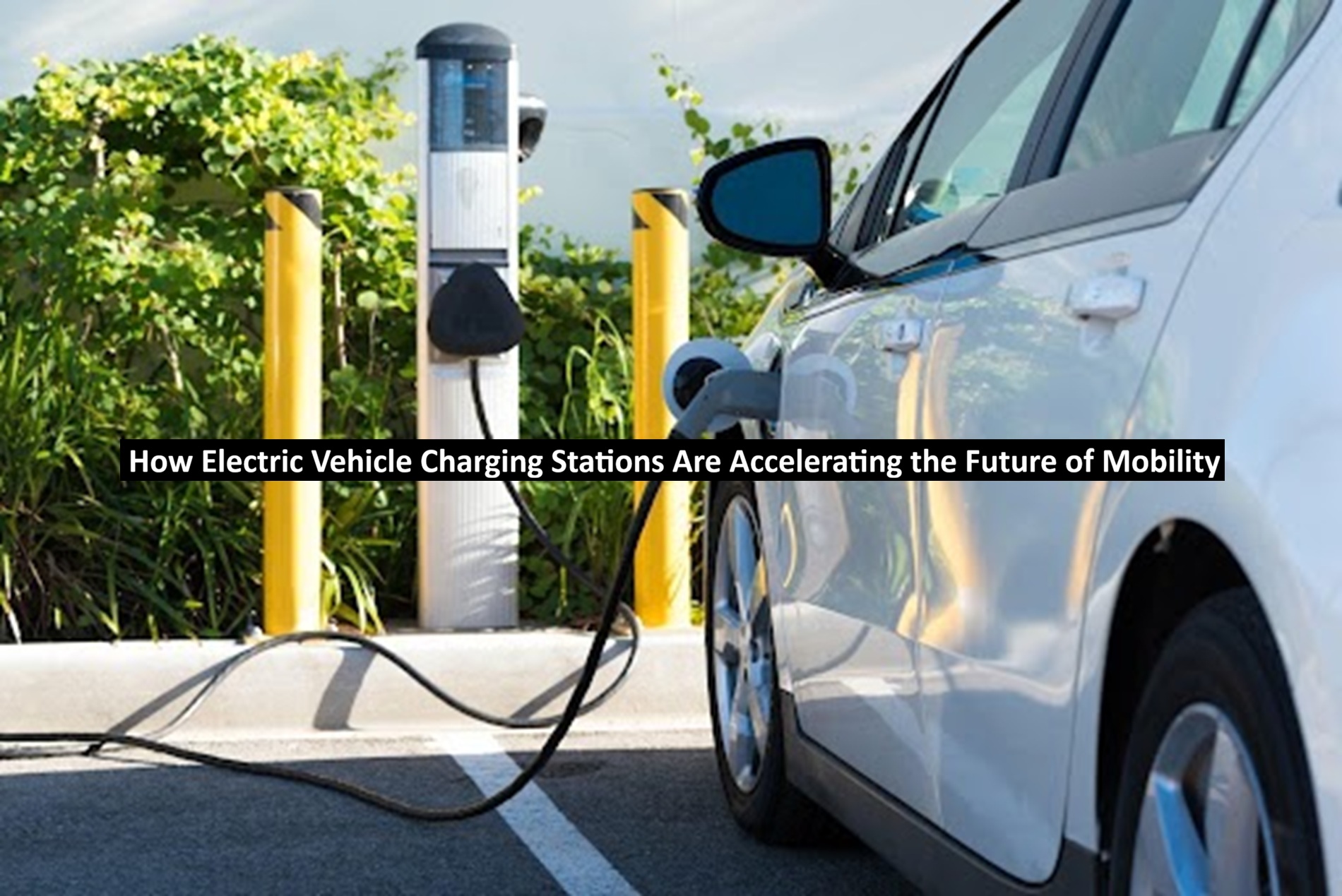
The transportation industry is witnessing a massive move towards electrification on account of environmental reasons, advances in battery technology, favourable government policies, and increased consumer interest in electric vehicles (EVs). It is necessary to pay attention to the process of installing such charge points as they are considered an inseparable element of the entire transformation process, facilitating the effective recharging of cars. Considering the demand for EVs around the world, the importance of growing the market for EV charging stations becomes apparent.
The Growing Importance of Electric Vehicle Charging Infrastructure
Use of electric vehicles has increased in the last decade due to developments in battery technology, reduction in prices and environmental regulations. Over 20% of newly manufactured cars sold worldwide have been electric by 2024. The adoption of these types of automobiles would require proper installation of facilities where they can charge. There are some facilities where there is provision for fueling the vehicle. But in case of electric cars, there should be facilities for charging them in all the above-stated stations.
Several important functions are served by these charging stations. They are expected to provide access to energy resources required for EVs to charge rapidly to ensure that they are able to travel over greater distances, promote conversion from non-electric vehicles to EVs, reduce the reliance on fossil fuels and ensure customer satisfaction when purchasing EVs. Stakeholders within the automotive industry have worked towards improving the charging infrastructure for electric vehicles.
Read: Understanding The Pros And Cons Of Hybrid Vs Fully Electric Cars
Reducing Range Uncertainty and Improving Consumer Confidence
Range uncertainty continues to be a prominent hurdle in the uptake of electric vehicles; however, increased access to fast, ultra-fast, urban, and destination chargers has helped improve the convenience of electric vehicle ownership to some degree. New DC fast charging technology is capable of charging the battery of an electric vehicle in just 30-40 minutes depending on the type of the car and charger.
The recent generation of chargers is also valuable as a source of information about charger status and waiting times, helping the consumer to plan their journey accordingly. Integration of mobile payments using the RFID and digital wallet technologies allows the transaction process to be seamless. Consumer confidence in electric vehicles as an alternative mode of transport is growing.
Supporting Urban Mobility Transformation
Issues such as congestion, air pollution and carbon dioxide emissions have become major challenges that urban areas all over the world face. Electromobility has become important in the context of urban transport.
Electric vehicle charging stations support urban mobility transformation by enabling:
- Public Transportation Electrification: Electric buses are being used by many cities for emission reduction and air purification purposes. The presence of the system which charges the buses is important for guaranteeing the smooth operation of the buses.
- Shared Mobility Services: On-demand transport, car-sharing, and other mobility service providers are shifting towards electric vehicles. The presence of charging stations ensures efficient operation.
- Smart Parking Solutions: The parking lots for charging electric vehicles are fairly common these days for commercial buildings, residential complexes and even public places.
Advancements in Fast-Charging Technology
Charging technologies continue to become faster, easier, and more efficient. The process used in earlier electric vehicles needed hours to charge a battery pack fully. Modern DC fast charging technologies have significantly reduced charging times.
Key developments include:
- Ultra-Fast Chargers with High Power Output Capability: These types of chargers provide much more power (150 kW and higher), allowing EVs to get good amounts of range very quickly. As a result, electric cars may be used on highways and even for business purposes.
- Improved Battery Management Technologies: BMS, or battery management systems, analyze the battery cells’ condition, as well as their charging and discharge processes to optimize battery performance and prolong its service life.
- Enhanced Thermal Control Systems: The thermal system manages battery temperature during charge and usage to avoid overheating. Thermal systems ensure optimal functioning, enhance safety, and allow for rapid charging without damaging the battery cells.
- Bidirectional Charging Capabilities: The use of this technology makes it possible to deliver energy not only to the car’s battery but also back from the battery to the source. This technology helps achieve grid stabilization and give people more opportunities for energy monetization.
- Intelligent Charging Algorithms: Smart algorithms that manage the process of energy transmission according to current demand and price levels will maximize the efficiency of energy utilization and minimize charging expenses.
This trend has rendered the usage of electric cars quite attractive to consumers and businesses. Fast charging stations play a significant role in long-distance transportation, logistics, and operations for companies with vehicle fleets.
Enabling Fleet Electrification
Commercial fleets can be considered some of the biggest gainers from the rise in the availability of charging infrastructure.
Electrification of commercial fleets has begun in different industries including:
- Delivery Services: From e-commerce companies to last-mile delivery companies, all are gradually moving towards the usage of electric vans and bikes. This results in savings as well as environmental sustainability.
- Public Transportation: Electrified bus fleets are being introduced into cities as an effort to combat both air pollution and noise. This is due to the provision of electric charging points for the buses.
- Corporate Vehicle Fleets: Electric vehicles in employee shuttles and executive car pools will be of great help to businesses in minimizing their carbon footprints within their sustainability initiatives. It is also cost-effective in the long run.
- Municipal Services: Electric vehicle usage in municipal operations involves waste management, road maintenance, and other utilities. These actions contribute to the creation of green cities.
It is possible to make optimal scheduling of the charging times of vehicles when one uses the charging infrastructure, hence saving on the costs of fuel as well as minimizing maintenance costs. Smart charging technologies can assist business organizations in making proper use of electricity, cutting down peak demand costs, and planning operations accordingly. Commercial vehicle electrification could emerge as one of the primary drivers for the EV charger stations market.
The Expanding Role of EV Charging Stations in Modern Transportation
According to Market Insights, the significance of electric vehicle charging stations as a vital element of contemporary mobility cannot be exaggerated since it makes it possible to address many issues related to the use of electric cars while contributing to the sustainable development of cities, electrifying fleets, and innovation in the automotive and energy sectors. The more technological breakthroughs happen in terms of improving the speed and compatibility of electric vehicle charging stations with renewable sources of energy, the faster the electric vehicle charging stations market will continue to grow.