

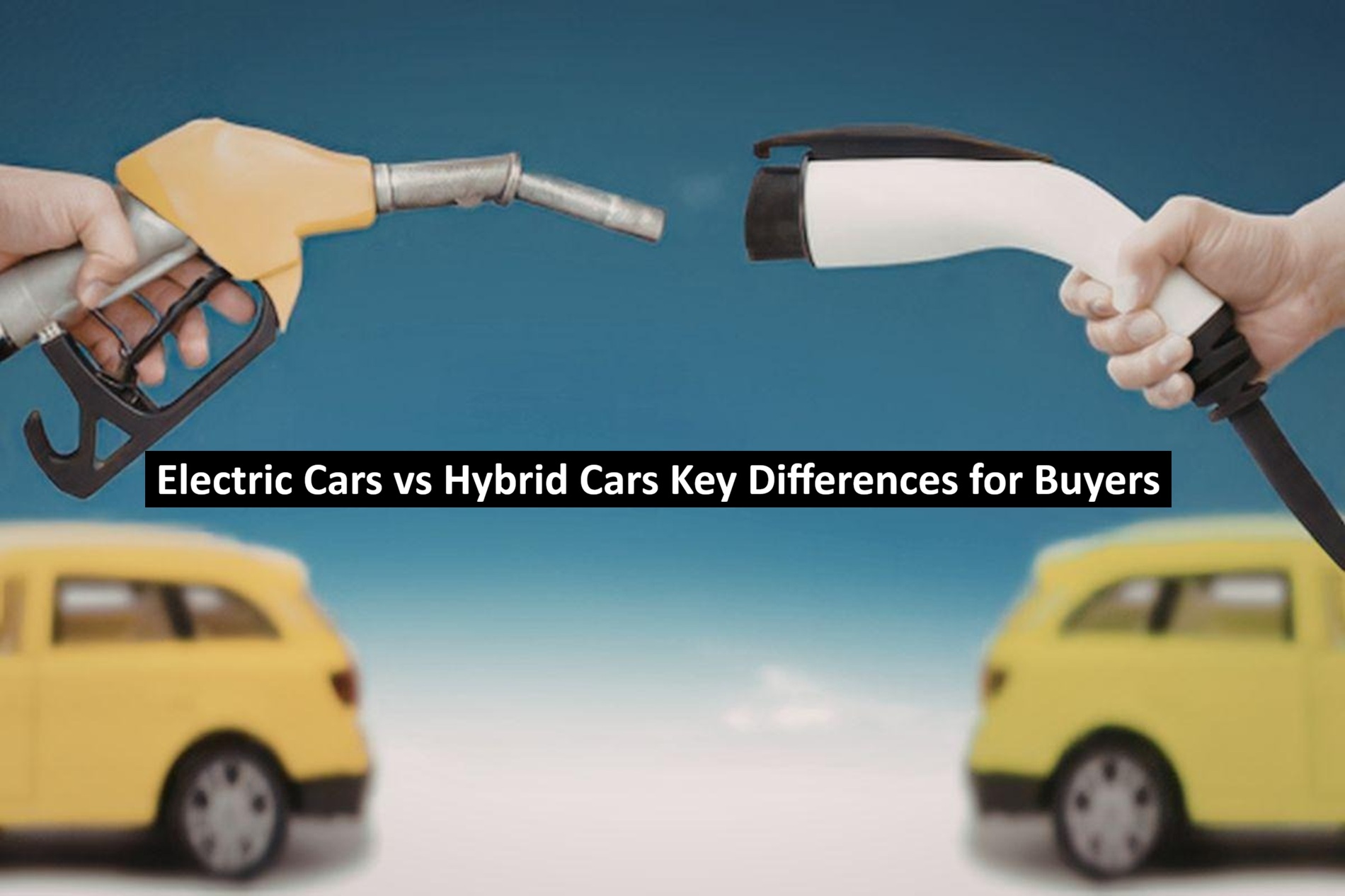
Driving is undergoing huge change, with motorists increasingly looking for cars that offer more efficient and more environmentally-friendly solutions than fossil fuel-burning vehicles. It has become an accepted fact that hybrid or electric is the way to go, but they operate under quite different circumstances: This difference in how you power your vehicle can and will determine whether an electric or hybrid vehicle will be best for your budget, driving style and other practical considerations.
Electric vehicles depend solely on electric motors and rechargeable batteries, whereas hybrids integrate both the internal combustion engine and one or more electric motors. Both approaches allow fuel-saving transportation, although owners often receive quite a bit different treatment when it comes to electric motors.
How Electric Cars Work
EVs or electric vehicles work by using an electric motor and a high-voltage battery that stores the electricity, no fuel such as petrol or diesel is used to fuel them.
Drivers then need to recharge their vehicle’s batteries whether from the office on one of their dedicated charges, a public charging point on the street, or from a more affordable domestic EV charger. The time taken for an EV charge varies quite considerably depending on the charging station and of course the vehicle; the time can vary from a slow overnight top-up to relatively quick and more powerful charging in the street.
Read: How Electric Vehicle Charging Stations Are Accelerating the Future of Mobility
How Hybrid Cars Work
How the system of engine, electric motor, battery pack work? In this engine, traditional combustion is used along with it, an electric motor along with battery back will have to be the source of the power. And based on the hybrid types the engine may run for limited duration of time on electric motor, or will be run by switching between these two sources.
Hybrids use a standard combustion engine as well as an electric engine, a battery and a more advanced computer system. The computer automatically cycles between gasoline engine and electric mode in a drive, and most use both to reach the vehicle’s highest potential. “For those of you out there trying to sort through the pros and cons of what works with the battery vs. What needs gasoline: Both are great, to some people more than others, depending on your driving style. the pros and cons of hybrid vs fully electric cars can help clarify differences in operating costs, range, charging requirements, and environmental impact. Recharging of batteries is done through regenerative braking and from the combustion engine for some hybrid models, or by plugging into an external source for the plug-in hybrids.
Fuel and Running Costs
A key differentiating factor between a car that is powered solely by an electric motor (BEV – Battery Electric Vehicle), is the ‘fuel’. The fuel for an electric car is electricity and not gasoline/diesel. It is very common for EV drivers to have significantly lower per kilometer energy costs based on real-time Electricity and Gasoline prices of their specific area.
Hybrids are no exception in burning gas – they don’t have quite the holy status of hybrids-being-eco in that they still use a hybrid power and electric drive can sometimes make more sense than ever with stop and go city driving, in that they can often put lost power back from braking on.
Charging and Refueling
Electric cars need to be plugged in on a regular basis and without home or workplace access to chargers, charging a car can demand more pre-planning. It does however have some benefit as car can recharge while parked at the driver’s home.
Typical fuel can be acquired for most hybrid vehicles at gas stations. Plug-in models have an extra option to be recharged to allow for greater reliance on electric propulsion during short trips, while the gas engine can be engaged for longer ones.
Driving Range
A crucial factor for electric vehicles is their driving range. Today, they can cover significant distances with one charge, but the range depends heavily on the size of battery, how efficient the car is, temperature, your driving habits, the use of air conditioning or heater.
Hybrid vehicles can usually travel further without an additional stopping point as the gas engine can still operate after the electric range from the battery has been used.
Performance and Driving Experience
Instant Torque EVs Can Get Up to Speedy Accel The immediate availability of torque from an electric motor provides many electric vehicle drivers with an almost instantaneous thrust and a very smooth power delivery. That’s because they don’t have an internal combustion engine, making the overall experience in EVs usually very quiet.
Many hybrid cars come with electric and/or combustion engine drive modes, but these can differ by type of hybrid technology and vehicle architecture.
Maintenance Differences
Electric cars are typically subject to less drivetrain components and, thus fewer repairs when compared to a conventional car. They often do not require oil changes and may have less engine maintenance.
EVs still need upkeep with its wheels, brakes, suspension, cooling system and more. The life span of a battery is another aspect you’ll likely deal with.
Because they consist of electrical as well as combustion parts, hybrids might need maintenance for both. Even though regenerative brakes can reduce brake wear, engine maintenance is unavoidable.
Environmental Considerations
Electric cars have zero tailpipe emissions during their operation. The total environmental impact also relies on the method used to produce the electricity that charges the car and the method for manufacturing, discarding and recycling the battery pack.
While it is still in part fueled by fossil fuel (but much less than than others) these hybrid vehicles are far beyond regular cars when it comes to consuming the best possible amount of fuel.
Those for whom it’s a priority to lower vehicle emissions – directly – probably want to go for electric. But buyers wanting to steer away from fossil fuel and make use of some EV driving without the charging may also want to make the compromise hybrid offers.
Which Option Is Right for You?
Whether you should opt for an EV or a hybrid depends on your specific situation. An EV could be for drivers that have charging facilities nearby, generally a regular daily commute and feel they prefer 100% electric.
A hybrid could be more suited for those that do a lot of long distance travelling, don’t have access to a consistent supply of charge, and desire a conventional fueling system coupled with the aid of electric.
Conclusion
Electric cars and hybrid cars both provide solutions to owners of petrol and diesel cars, catering to a range of requirements. EVs are entirely electric in nature, can help decrease running costs and can boast a simpler electrical system, while hybrids provide increased refueling flexibility and can offer a reduction in fuel costs, without making drivers entirely dependent on charging stations.
The buyer should also think about the purchase price, daily mileage, charging facilities, fuel and electricity prices, maintenance, range and their long-term plans for the car. By comparing, the buyer will be better placed to choose the car technology suitable for their way of life and their pocket.
Author’s Bio:
Lalit is a freelance content writer, blogger, and digital marketer with 6 years of experience. He writes clear, engaging content on alternative fuel vehicles market, SEO, technology, business, education, and market trends, making complex topics easy to understand and apply.